Wildflower Seed Bombs for Gardens Seven Easy UK Home Projects
Wildflower seed bombs for gardens offer a simple way to turn pots, borders and small prepared patches into rewarding home growing projects. Discover seven practical ideas, learn how seed bombs work and plan a project that suits your available space.
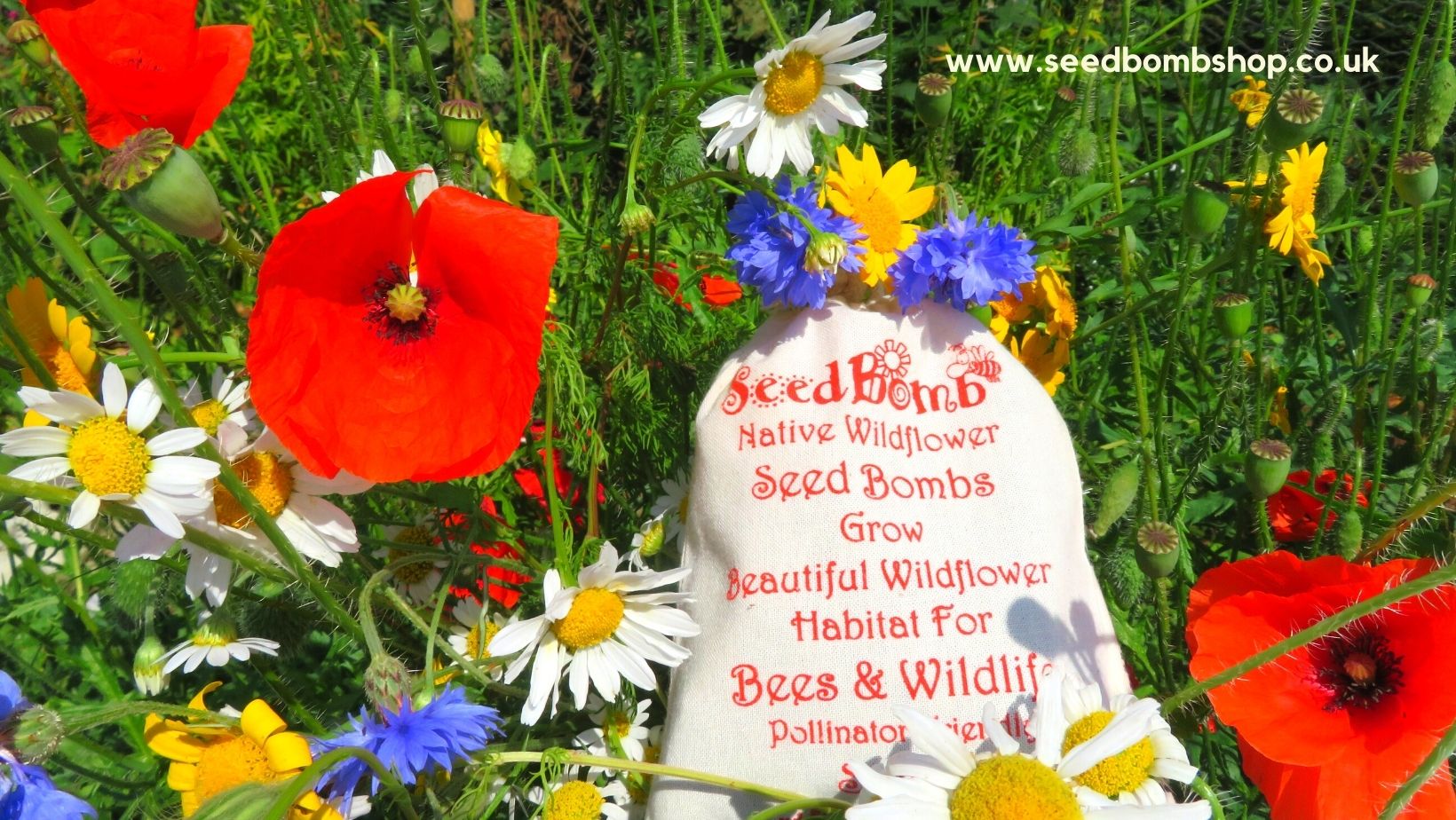
Wildflower Seeds UK in a Simple Seed Bomb Format
For home gardeners researching wildflower seeds UK, a seed bomb brings the seeds, soil and clay together in a compact ball. It creates a convenient format that can be placed directly onto a prepared area of soil without needing to handle small seeds individually.
The seed
The seed selection determines which plants may establish. For a UK home project, choose wildflower seeds suited to the location and the conditions in which they will be planted.
The soil and clay
Soil and clay hold the seeds in an easy-to-position ball. Moisture softens the seed bomb after planting, allowing the seeds to meet the prepared soil beneath it.
Practical point: seed bombs still need a suitable site, contact with bare soil, moisture and ongoing observation. Germination and flowering will vary with the species, soil, weather and aftercare.
Seven Wildflower Seed Bomb DIY Projects for Home
Wildflower seed bombs for gardens can begin with the space you already have. A pot, a border edge or a small prepared patch can each become a manageable project that is easy to observe throughout the growing season.
Create a wildflower container
Use a wide container with drainage and a suitable growing medium. Place the seed bombs on the surface, give them good soil contact and position the container where it can be checked and watered easily.
Plan a colourful border trail
Prepare a narrow strip along a garden border and arrange the seed bombs in a gentle line or small groups. Mark the area so emerging seedlings can be observed and cared for.
Start a mini wildflower patch
Choose a manageable patch of ground, remove dense competing growth and expose the soil surface. A small area is easier to monitor while you learn what works in your garden.
Keep a family growing journal
Photograph the planting area each week and record rainfall, watering, emerging leaves and flowering dates. This turns the project into a simple introduction to plant observation.
Make your own seed bombs
Combine suitable wildflower seeds with peat-free compost, natural powdered clay and water. This hands-on activity works well when the materials and planting location are chosen in advance.
Prepare a plant-and-gift project
Pair seed bombs with a handwritten planting label and give them to a friend or family member who has a suitable pot or garden space. Add clear instructions so the project can continue after gifting.
Build a seasonal observation spot
Place a chair or viewing point near the planting area and note the flowers and visiting insects that appear. The project becomes a changing part of the garden rather than a one-day activity.
How to Make Wildflower Seed Bombs at Home
Making seed bombs can be a creative home activity. Ready-made seed bombs provide a convenient alternative when you would prefer to begin with a prepared mixture and concentrate on the planting project.
Make your own
Gather seeds suited to your location, peat-free compost, natural powdered clay, water, a mixing bowl and a tray.
- Combine the dry compost and natural clay.
- Mix in the selected wildflower seeds carefully.
- Add water gradually until the mixture holds together.
- Roll small, firm balls and place them on a tray to dry.
- Plant them on prepared soil in an appropriate location.
For another established activity method, see The Wildlife Trusts’ seed bomb guide or compare the National Trust’s wildflower seed ball activity .
Begin with ready-made seed bombs
Seed Bomb Shop UK combines a 31-species native British wildflower seed mix with UK soil and clay. The prepared format allows you to move directly to choosing the site, arranging the project and caring for the planting area.
- Suitable for pots, borders and prepared garden patches.
- Easy to divide between several small home projects.
- Clear planting guidance is available before you begin.
- The complete wildflower species list can be reviewed online.
For family activities: plan the activity with an adult, use materials intended for gardening, wash hands after handling soil and clay, and keep the finished seed bombs for planting rather than play.
How to Plant Garden Seed Bombs
When using wildflower seed bombs for gardens, begin with site preparation. Give the seed bombs direct contact with soil and choose an area that you can revisit for watering and observation.
Choose the location
Select a pot, border or garden patch with conditions suitable for growing wildflowers and practical access for ongoing care.
Prepare bare soil
Remove dense competing growth and loosen the surface lightly so the seed bomb can make direct contact with the soil.
Position the seed bombs
Place Seed Bomb Shop UK seed bombs approximately 30cm or 12 inches apart, following the product instructions for your chosen project.
Water and observe
Water gently after planting and continue to monitor moisture during dry weather. Avoid disturbing the area while seedlings emerge.

Planning your date? Read the complete UK wildflower seed sowing guide before choosing when to begin.
What to Expect from a Native Wildflower Seed Mix
A mixed wildflower project develops over time rather than producing every species at once. Weather, soil, location, sowing time and care all influence which plants establish and when they flower.
Annual wildflowers
Annual species complete their life cycle within a growing season when conditions allow. Their timing will depend on sowing date and local growing conditions.
Perennial wildflowers
Perennial species may concentrate on root and leaf growth before flowering. A longer observation period gives the project time to show how the mixture develops.
Garden visitors
Once suitable flowers establish and bloom, they can provide pollen and nectar resources for visiting insects. Record what you observe without assuming every garden will attract the same species.
Ongoing care
Continue checking moisture, competing growth and the condition of the planting area. Home projects are most rewarding when they are observed and cared for beyond the planting day.
Seed Bomb Shop UK uses a mixture of 31 native British wildflower species. Review the complete native British wildflower seed mix before selecting it for your site.
Plan Your Wildflower Project Responsibly
The best location is one where you have permission to plant, can prepare the soil and can return to care for the area. Your own garden, containers or an agreed community space allow the project to be managed properly.
Match seeds to the site
Check that the species are suitable for your location and intended planting area. If you are making your own seed bombs, select an appropriate UK wildflower seed mixture from a reliable supplier.
Plant where care is possible
A visible, accessible site makes it easier to check moisture, recognise new growth and keep a record of the project as it changes.
The Wildlife Trusts explains that wildflower planting in pots, flowerbeds and garden patches can provide resources for insects. See its wildflower seed bomb activity guidance for additional context.
Wildflower Seed Bombs for Gardens: FAQs
Can wildflower seed bombs be planted in pots?
Yes. Choose a sufficiently wide container with drainage, fill it with a suitable growing medium and place the seed bombs on the prepared surface where they can be watered and observed.
When should I plant seed bombs in the UK?
The suitable time depends on the wildflower species, weather and site conditions. Use the linked UK sowing guide to choose a period when the soil is workable and you can provide appropriate care.
Do garden seed bombs need watering?
Moisture is needed for germination. Water gently after planting and monitor the soil during dry conditions, taking care not to wash the seed bombs or emerging seedlings away.
How long will wildflower seed bombs take to grow?
There is no single guaranteed timeframe. Germination and flowering vary with the species, sowing season, temperature, moisture, soil and care. Annuals and perennials may also develop at different rates.
Can children take part in a seed bomb project?
A seed bomb project can be organised as a supervised family activity. An adult should choose the materials and location, oversee the activity and ensure hands are washed after handling soil and clay.
Can I plant seed bombs outside my own garden?
Choose a location where you have the landowner’s permission and can confirm that the seed mixture is suitable. This also makes it easier to prepare, monitor and care for the planting area.