UK wildflower growing guide
Native British Wildflower Seed Bomb Mix
Explore wildflower seed bombs made with our current 31-species native British wildflower mix. Understand the difference between annual and perennial wildflowers, and learn how to give seed bombs suitable conditions in UK gardens, pots and raised beds.
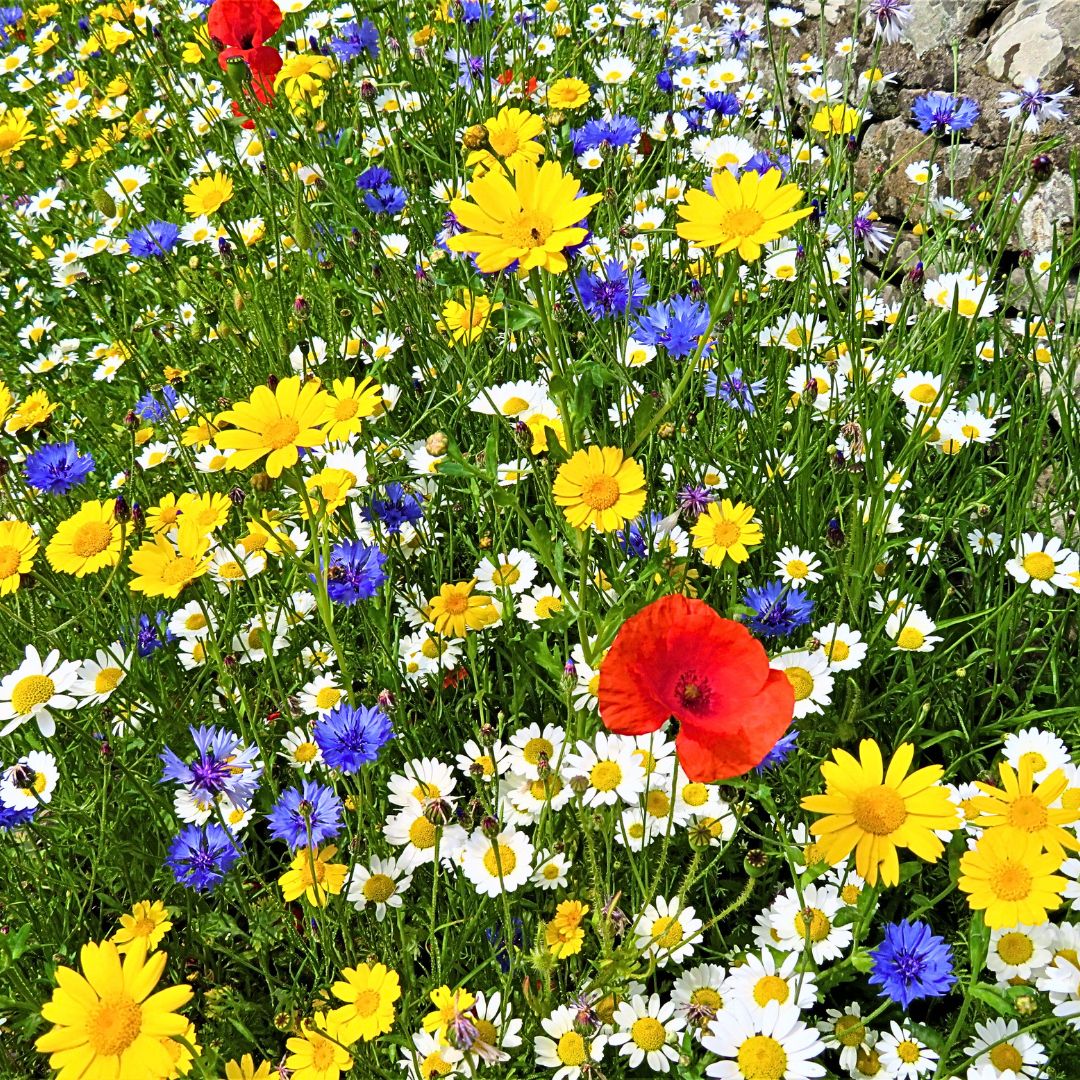
Know what you are planting
What’s inside our wildflower seed bombs?
Our wildflower seed bombs contain a current mix of 31 named wildflower species. Separating annuals from perennials makes it easier to understand why different plants may appear at different stages.
Named species
The mix combines a broad selection of annual and perennial wildflowers rather than relying on a single flower type.
Annuals
Annual plants complete their life cycle over one growing season and may flower in their first suitable season.
Perennials
Perennial plants can take longer to establish and may return in later seasons where conditions and care are suitable.
No grasses
The confirmed product mix contains wildflower species only and does not include grass species.
A mixed growing timeline
Annual and perennial wildflowers behave differently
Wildflower planting is a process rather than an instant result. Conditions affect what appears and when, so observe the area across more than one growing season.
Germination
Timing varies by species and conditions. Consistent moisture and contact with prepared soil are important during establishment.
Earlier colour
Annual species may flower during their first suitable growing season, with timing and performance shaped by local conditions.
Longer establishment
Some perennial species may initially concentrate on roots and leaves before flowering in a later season.
Observe and manage
Water during dry establishment periods, limit competing growth and adapt care to the conditions in your planting area.
Current product specification
Wildflower seed bombs: complete 31-species list
The wildflower seed bombs mix currently contains four annual species and 27 perennial species, listed below.
Annual wildflowers — 4 species
- Chamomile
- Corn Marigold
- Cornflower
- Poppy
Perennial wildflowers — 27 species
- Betony
- Birdsfoot Trefoil
- Clustered Bellflower
- Devil’s-bit Scabious
- Field Scabious
- Dark Mullein
- Greater Knapweed
- Kidney Vetch
- Lady’s Bedstraw
- Lesser Knapweed
- Meadow Buttercup
- Meadow Cranesbill
- Meadow Vetchling
- Oxeye Daisy
- Plantain
- Purple Loosestrife
- Ragged Robin
- Red Campion
- Red Clover
- Selfheal
- St John’s Wort
- Toadflax
- Tufted Vetch
- Viper’s Bugloss
- Wild Carrot
- Wild Marjoram
- Yarrow
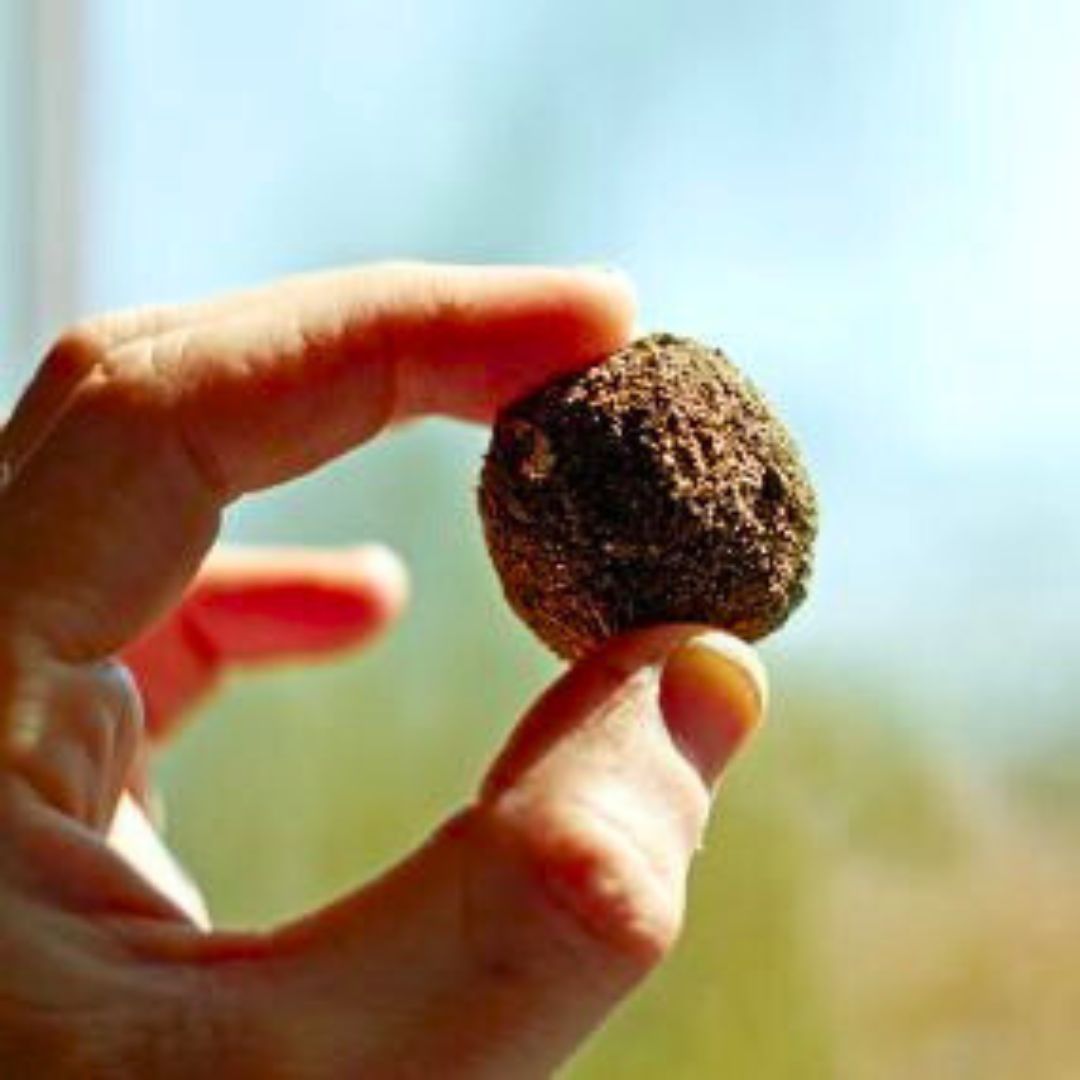
Choose the site first
Where can wildflower seed bombs be planted?
Choose a location you own or have permission to use. The best option is a manageable space where you can prepare the surface, monitor moisture and reduce competition from established vegetation.
- A prepared garden border or dedicated wildflower patch
- A raised bed with suitable drainage and soil depth
- A sufficiently deep outdoor container or large plant pot
- A cleared section of lawn where competing growth is controlled
- An approved school, workplace or community planting area
Plant seed bombs on land you own or in locations where the landowner or responsible organisation has given permission.
Practical planting method
How to plant wildflower seed bombs in five steps
Follow the instructions supplied with your product and adapt watering to the weather and conditions in your chosen space.
Select the area
Choose an authorised location you can prepare, water and observe.
Prepare the surface
Reduce dense grass and weeds so the seed bombs can contact exposed soil.
Position the bombs
Place them on the prepared surface at the spacing stated in the current instructions.
Water carefully
Keep the area moist during establishment without leaving it waterlogged.
Monitor growth
Watch for competing plants, dry conditions and changes across the seasons.
Plant for conditions, not promises
What results should you expect from wildflower seed bombs?
Growing outcomes naturally vary with seed viability, soil contact, light, moisture, temperature, competition, weather and aftercare.
Give the planting area time. Annuals may provide earlier colour, while some perennials can take longer to establish and may become more visible in later seasons.
For wider guidance on planning and establishing a wildflower area, read the Royal Horticultural Society guide to creating wildflower meadows .
Explore Wildflower Seed BombsGrowing questions
Native British wildflower seed bomb mix: FAQs
How many wildflower species are in the mix?
The confirmed current mix contains 31 named wildflower species: four annuals and 27 perennials. It contains no grass species.
What does “native British wildflower” mean?
In this product description, it refers to the wildflower species included in the confirmed British mix. If seed origin or geographical provenance is important for a conservation or professional project, request that information before ordering rather than assuming it from the word “native”.
When should wildflower seed bombs be planted?
Spring and autumn are commonly suitable planting periods. Later spring or summer planting may need closer attention to watering, while autumn or winter planting depends on the soil being workable and local conditions being suitable.
Can seed bombs be planted in pots?
They can be used in sufficiently deep outdoor pots and containers with suitable soil, drainage, light and watering. Because the mix contains many species, not every plant will suit or establish in every container.
Will every species flower in the first year?
Annual and perennial species develop at different rates, and conditions affect germination and flowering. Some perennials may establish leaves and roots before flowering in a later season.
What affects wildflower seed bomb germination?
Germination depends on preparation, weather, water, temperature, competition and ongoing care. Follow the wildflower seed bomb planting guide and respond to the conditions in your location.
Start your wildflower growing project
Ready to plant wildflower seed bombs?
Explore the available wildflower seed bomb formats, then use the planting guide to prepare your garden, raised bed or container before planting.
Prefer to call? 01536 614062