How to Grow Wildflower Seed Bombs
Learning how to grow wildflower seed bombs begins with the right location, properly prepared soil and dependable moisture while the seeds establish.
Follow this practical five-step guide to give the 31-species native British wildflower mix a suitable start in your garden, raised bed or large container.
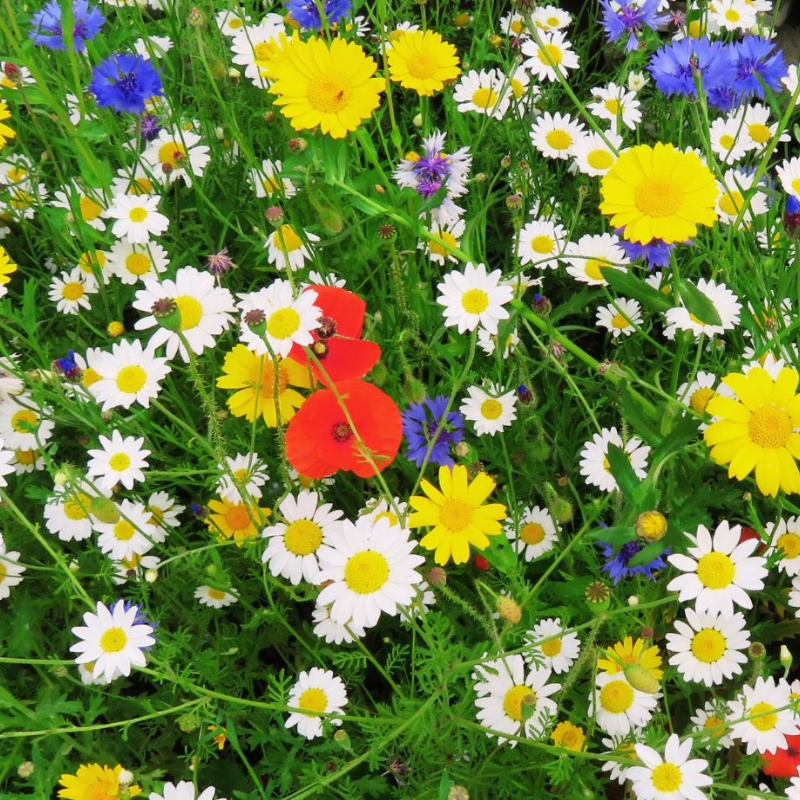
Good Soil Contact Makes the Difference
Seed bombs make the planting process simple, but they cannot remove the need for suitable growing conditions. Seeds still require contact with soil, moisture, appropriate temperatures and enough light.
Placing seed bombs on dense grass or heavily overgrown ground gives emerging seedlings strong competition. A small prepared area of exposed soil usually provides a more realistic opportunity for establishment.
Choose land that you own or have permission to plant. Avoid protected habitats, public spaces and other land where planting has not been approved.
Five Steps for Growing Wildflower Seed Bombs
Use these steps for a manageable garden patch, flower bed, border or suitable large container.
Choose
Select a suitable location with useful daylight and soil that is not permanently waterlogged.
Prepare
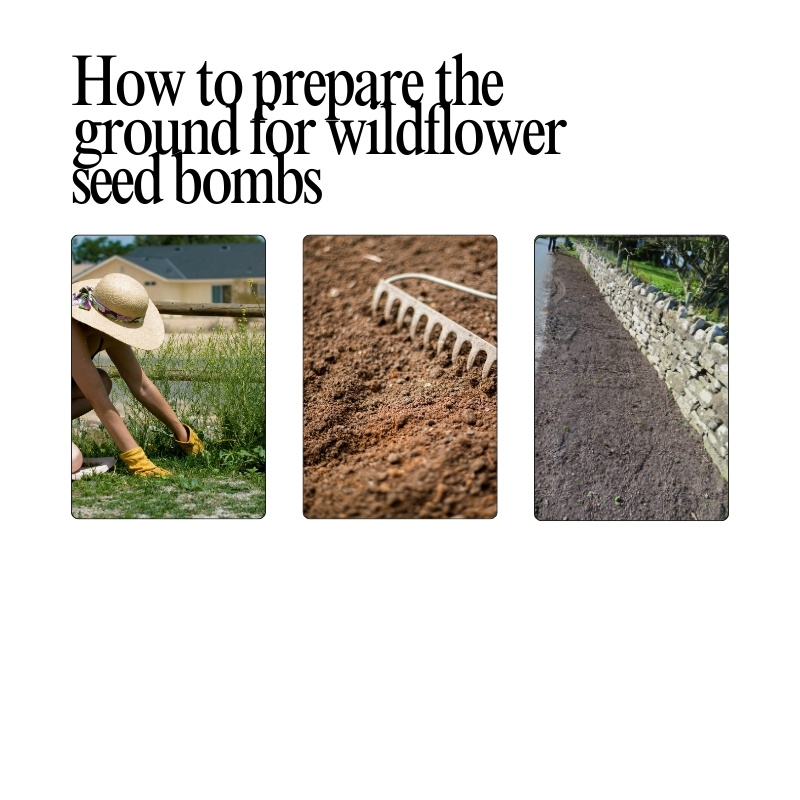
Expose the soil, remove strong competing growth and create a lightly raked surface.
Position
Place each seed bomb directly onto the prepared soil at approximately 30cm intervals.
Water
Water gently after planting and monitor the surface during dry weather.
Observe
Allow time for germination, remove vigorous weeds and avoid disturbing emerging seedlings.
Complete Wildflower Seed Bomb Instructions
Each stage contributes to the growing conditions available to the seeds.
Choose an Appropriate Planting Area
Select an open garden area, flower bed or large container. Many wildflowers favour useful sunlight and reasonably well-drained soil. Avoid concrete, hard-standing surfaces, deep permanent shade and ground that remains saturated.
- Use your own garden or obtain the landowner’s permission.
- Match the planting area to the amount of seed bombs available.
- Avoid locations exposed to regular trampling or mowing.
Prepare Bare or Open Soil
Cut back or remove dense grass and strong weeds. Loosen compacted surface soil where necessary, then rake it to produce an open, crumbly surface. Avoid adding fertiliser: overly vigorous surrounding growth can compete with young wildflower seedlings.
- Remove thick vegetation from the immediate planting area.
- Break up hard surface crusts and compacted soil.
- Firm very loose soil gently before planting.
Place the Seed Bombs on the Surface
Position the seed bombs directly on the prepared soil. Press each one lightly so the base has contact with the soil, but do not bury the complete seed bomb deeply.
As a practical starting point, allow approximately one seed bomb every 30cm, or about one per square foot. A denser display may be planted closer where space and quantities permit.
Water Gently After Planting
Water the prepared area gently so the soil and outer seed bomb material become thoroughly moist. Avoid a forceful water jet that could move soil or wash seeds away.
Check the area regularly during dry periods. Small wildflower areas may need additional watering until young plants have developed stronger roots. The soil should be moist rather than continuously saturated.
Protect the Emerging Seedlings
Germination may occur at different times because the mix contains several species with different natural growth cycles. Avoid disturbing the surface while seedlings begin to appear.
- Remove obvious vigorous weeds carefully.
- Continue monitoring moisture during dry weather.
- Keep pets and foot traffic away from young growth.
- Allow perennial species time to develop roots and leaves.
When to Plant Wildflower Seed Bombs
Local weather, soil type and moisture influence the most suitable planting time.
Early to mid-spring is commonly suitable as soil begins to warm and seasonal rainfall may support germination.
Planting remains possible, but the area may require closer watering during warm or dry conditions.
Early autumn can provide warm soil and increased moisture. Some species may not emerge until the following spring.
Avoid frozen, heavily waterlogged or snow-covered ground. Waiting for workable conditions provides better soil contact.
What Should You Expect After Planting?
Wildflower growing is a natural process, so emergence and flowering will not happen at the same time for every species.
Germination Varies
Temperature, rainfall, soil conditions and species dormancy can all affect when individual seeds begin to germinate.
Annuals and Perennials Differ
Some annuals may flower during the first suitable growing season. Many perennials initially concentrate on forming leaves and roots before producing stronger displays later.
Results Cannot Be Guaranteed
Germination and flowering depend on site preparation, weather, soil, timing and aftercare. Not every species will necessarily establish in every location.
Check the Planting Conditions
A simple site assessment can prevent many common establishment problems.
Conditions That Can Help
- Prepared soil with visible open surface.
- Useful daylight for the selected wildflowers.
- Moisture during germination and early establishment.
- Reduced competition from grass and vigorous weeds.
- Protection from regular disturbance and trampling.
Conditions That Can Limit Success
- Dense established lawn or heavy plant competition.
- Concrete, paving or hard compacted surfaces.
- Deep shade for a mix requiring brighter conditions.
- Prolonged dryness immediately after planting.
- Permanent waterlogging or repeated disturbance.
Plant Wildflower Seed Bombs Responsibly
Wildflower seed bombs should be planted thoughtfully. Use them in your garden, in suitable containers or on land where clear permission has been obtained.
- Do not plant on private land without the owner’s consent.
- Do not introduce seed into protected or sensitive habitats.
- Consider the soil, light and existing vegetation before planting.
- Use a seed mix appropriate for the intended location.
For additional independent guidance, read the Royal Horticultural Society guide to creating wildflower meadows .
Ready to Begin Your Wildflower Project?
Explore Seed Bomb Shop UK’s 31-species native British wildflower seed bomb mix, made without grass seed and supplied with clear planting guidance.
More advice is available in our UK wildflower guide collection .