From seed bomb to wildflower
How Seed Bombs Work: A UK Wildflower Guide
Understanding how seed bombs work starts with the small soil-based ball. Each wildflower seed bomb keeps a group of seeds together until it is placed on prepared ground and moistened. The ball then softens, allowing the seeds to begin their normal germination process when conditions are suitable.
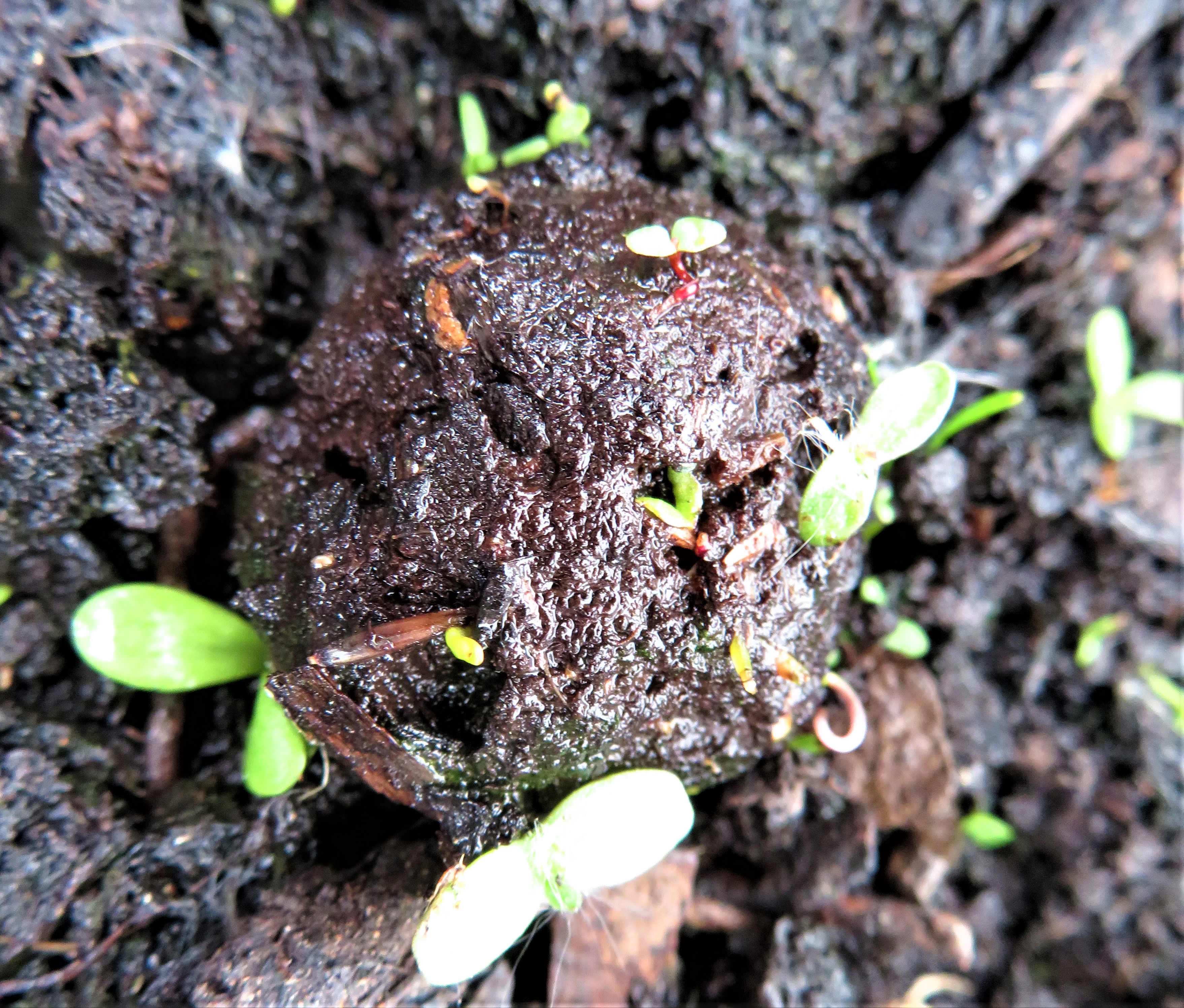
The growing process
How Seed Bombs Work from Ball to Seedling
A seed bomb is a convenient planting format, not a separate kind of seed. The seeds inside still respond to the conditions required by their individual species.
Position
Place the seed bomb on prepared soil in an authorised location that can be monitored.
Moisture
Rain or careful watering begins to soften the ball and moisten its contents.
Soil contact
As the ball breaks down, its seeds can make contact with the prepared surface below.
Germination
Suitable moisture, temperature and light may trigger germination at species-specific times.
Establishment
Emerging roots and shoots need moisture, space and time while young plants develop.
The conditions still matter
What controls whether seed bombs grow?
The ball brings the seeds together, but it cannot control the planting site or the weather. These four factors have a major influence on establishment.
Soil contact
Dense grass, weeds, leaf litter or hard surfaces can prevent seeds from reaching suitable soil.
Moisture
The area needs appropriate moisture during germination and early establishment, especially in dry weather.
Competition
Established plants can compete with young seedlings for light, water, nutrients and growing space.
Species and season
Different species respond at different times, and local temperature, light and weather affect development.
Give the seeds a fair start
How to help wildflower seed bombs establish
Understanding how seed bombs work also explains why preparation matters. The most reliable approach is to treat them as a planted seed product rather than something to scatter and forget.
- Choose land you own or have permission to plant
- Select a garden area, raised bed or outdoor container suited to the mix
- Reduce grass, weeds and other dense competing growth
- Expose soil so each seed bomb has good surface contact
- Use the spacing supplied with the current product instructions
- Water when required during dry establishment periods
- Observe seedlings and continue managing competing plants
For independent guidance on preparing soil, sowing and caring for UK wildflowers, see Kew’s Grow Wild guide to sowing wildflower seeds.
Timings vary
How long do seed bombs take to grow?
There is no single reliable number of days from planting to flowering. A mixed wildflower product contains species with different germination and development patterns.
After planting
The ball begins to soften when it receives enough moisture. Dry conditions can delay this stage.
Germination
Seeds may begin at different times depending on the species, temperature, moisture and light.
Early growth
Young plants may first produce roots and leaves while establishing in the growing area.
Flowering
Annuals may flower in their first suitable season, while some perennials can take longer to establish.
Avoid the common setbacks
Why might a seed bomb fail to establish?
When growth is limited, the reason is often connected to the planting area or conditions rather than the shape of the seed product.
Grass can restrict soil contact and compete strongly with emerging wildflower seedlings.
A dry ball or drying soil can interrupt germination and early seedling development.
Light, drainage, soil and exposure may not suit every species contained in a mixed product.
Established weeds and vigorous plants can take the space and resources that small seedlings need.
Germination, leaf growth and flowering are different stages, and perennials may need more time.
Young plants may still require watering, observation and management after the first shoots appear.
Growing questions answered
How seed bombs work: FAQs
Do seed bombs grow as soon as it rains?
Rain can soften the ball and provide moisture, but germination also depends on the individual species, temperature, light, soil contact and other local conditions. One rainfall event does not guarantee growth.
How quickly will seed bomb seedlings appear?
There is no guaranteed timetable. Different species germinate at different rates, while temperature, moisture, planting season and site preparation can speed up or delay visible growth.
Should wildflower seed bombs be buried?
Follow the instructions supplied with the product. Seed Bomb Shop’s method is to position them on prepared soil with good surface contact rather than burying them deeply.
Can seed bombs grow on an existing lawn?
Dense turf can prevent good soil contact and compete with young seedlings. Prepare a cleared section and continue controlling competing grass rather than placing the seed bombs directly into an unchanged lawn.
Do seed bombs need watering?
Natural rainfall may provide enough moisture at times, but dry periods can require careful watering. Keep the establishment area appropriately moist without leaving it waterlogged.
Can seed bombs be scattered on public land?
Do not plant on public land, protected sites or property belonging to somebody else without permission. Choose an authorised site where the species are suitable and aftercare can be provided.
Where can I learn what a seed bomb contains?
Start with our guide to what a wildflower seed bomb is, then review the current product description and species list for the precise option you are considering.
Prepare, place and care
Ready to grow wildflowers from seed bombs?
Choose the planting area first, prepare the soil and explore the current UK wildflower seed bomb range before you begin.
Prefer to call? 01536 614062