A practical UK guide for bee-friendly planting
Wildflower Seeds for Bees A Practical UK Seed Bomb Guide
Wildflower seeds for bees can provide nectar and pollen after the plants establish and flower. Our seed bombs combine a 31-species native British wildflower mix with UK soil and clay, creating a simple planting format for prepared garden soil, pots and authorised community projects.
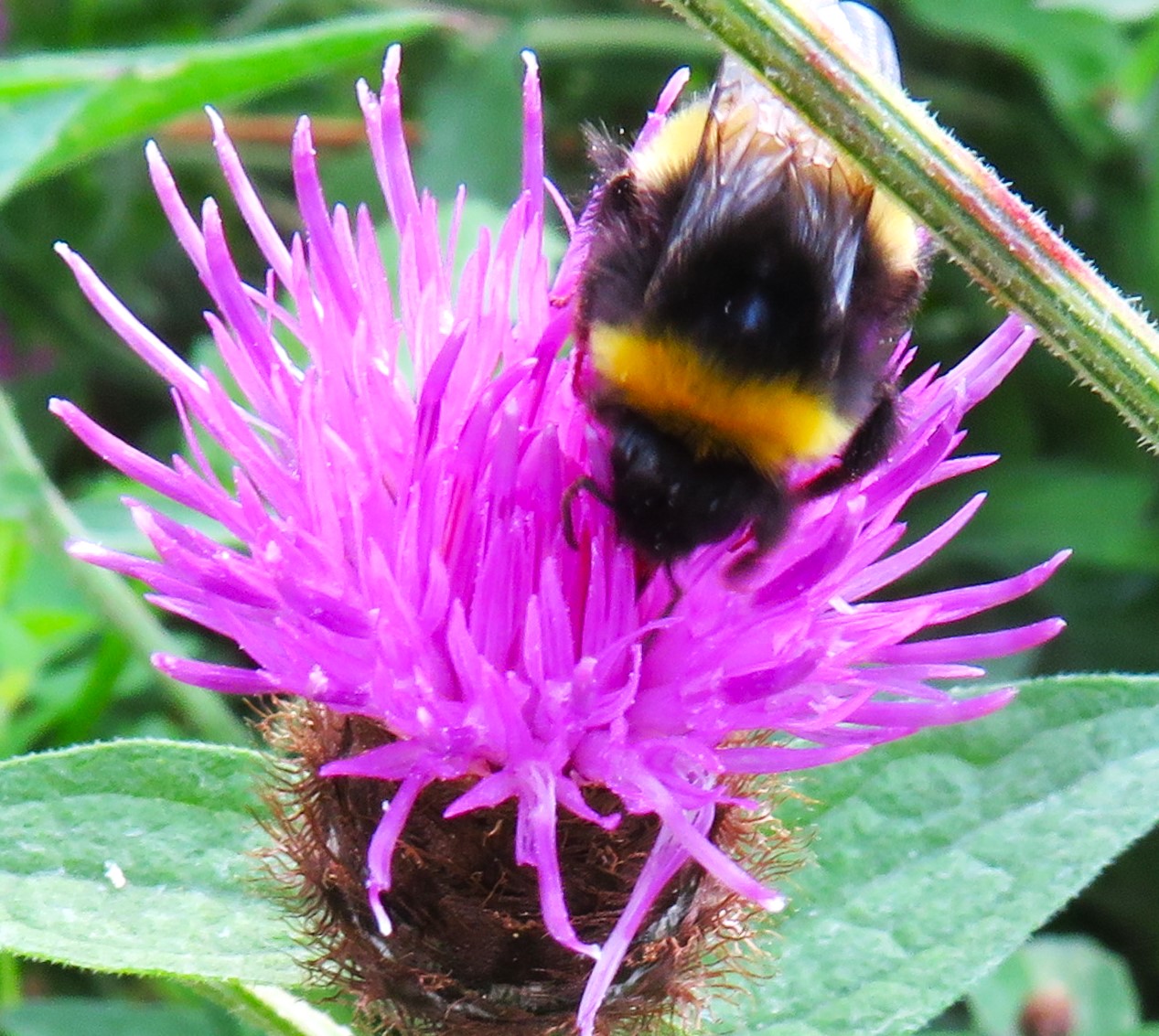
Flowers provide the food
Why wildflower seeds for bees matter after flowering
A seed bomb is a way to plant seeds. The benefit for visiting bees begins when suitable plants grow and produce flowers containing accessible nectar or pollen.
Nectar for energy
Many flowers produce nectar, a sugary liquid collected by bees as an energy source while they forage.
Pollen for nutrition
Bees collect pollen from flowers and carry it back to their nests or colonies as an important food resource.
Different flower forms
A varied planting offers different flower shapes. This matters because bee species differ in size, tongue length and foraging behaviour.
A sequence of flowers
Plants that flower at different times can extend the period when a garden or container offers forage.
From seed bomb to bee visit
How seed bombs for bees fit into the growing journey
The clay ball begins the planting process. Suitable ground, moisture, time and care help the seeds move towards flowering.
Choose
Select a garden, container or approved site suited to the wildflower mix.
Prepare
Expose soil and reduce competing growth in the immediate planting area.
Moisten
Rain or careful watering softens the ball and supplies moisture to the seeds.
Establish
Seeds respond according to their species and the local growing conditions.
Flower
Established plants may produce blooms that visiting bees can forage from.

Inside the native British mix
31 wildflower species with varied forms and growing patterns
Our current wildflower seed bomb mix contains 31 native British wildflower species: 4 annuals and 27 perennials. Different species may germinate, establish and flower at different times, so a mixed planting can continue to develop beyond its first growing season.
The mix includes familiar flowers such as red clover, bird’s-foot trefoil, greater and lesser knapweed, field scabious, devil’s-bit scabious, viper’s bugloss and wild marjoram. This gives the planting a range of flower colours, shapes and heights when conditions suit each species.
- Annual species can contribute colour during a suitable first season.
- Perennial species may need more time before producing flowers.
- Flowering depends on soil, moisture, light, weather and aftercare.
- The species that appear can differ from one growing space to another.
Plant for the strongest start
How to plant wildflower seed bombs for bees
Prepared soil gives seeds better contact with the growing surface and reduces immediate competition. A small area or pot is also easier to observe and care for.
Use an approved space
Plant in your own garden, a container or a site where the landowner has agreed.
Expose the soil
Clear dense grass and weeds from the immediate area before placing the seed bombs.
Place on the surface
Set the seed bombs onto prepared soil rather than hard paving or thick established turf.
Monitor moisture
Water carefully when needed, especially while the seeds are beginning to respond and during dry weather.
Allow time
Continue light aftercare and let annual and perennial species follow their own schedules.
Look beyond one type of bee
Who may visit a flowering wildflower patch?
The visitors will vary by location, season, nearby habitat and which flowers are open. A small patch can become an engaging place to observe several groups of pollinating insects.
Bumblebees
Several bumblebee species may visit suitable flowers while collecting nectar and pollen.
Solitary bees
Solitary bees have varied nesting and foraging habits and may favour different flower forms.
Honeybees
Honeybees can forage across many flowers when colonies are present within flying distance.
Other pollinators
Hoverflies, butterflies, moths and beetles may also appear among suitable wildflowers.
Create a broader welcome
Make wildflower seeds part of a bee-friendly garden
Seed bombs for bees can form one part of a wider planting plan. Combining different flowering plants and maintaining the surrounding space thoughtfully can make a garden more useful and interesting throughout the growing season.
- Grow a mixture of flower shapes rather than relying on one plant.
- Plan for flowers at different points in the growing season.
- Use pots, window boxes or planters when ground space is limited.
- Allow suitable lawn flowers to bloom in selected areas.
- Keep observing and adapt the planting to the conditions in your space.

Practical planting answers
Wildflower seeds for bees: frequently asked questions
Do seed bombs feed bees directly?
No. The flowers are the food source. A seed bomb holds wildflower seed in a soil-and-clay planting format; after suitable plants establish and flower, visiting bees may collect nectar or pollen.
Which bees might visit the wildflowers?
Bumblebees, solitary bees and honeybees may visit suitable flowers. The visitors you see will depend on your location, the season, nearby habitat and which species are flowering.
Are native British wildflowers useful for bees?
Many native British wildflowers offer nectar or pollen and can contribute to a bee-friendly growing space. Plant choice, flower shape, flowering time and local growing conditions all matter.
Can wildflower seed bombs grow in pots?
Yes. A pot or planter with drainage can provide a manageable place to prepare the surface, monitor moisture and observe seedlings. Plantlife also recommends pots, hanging baskets and window boxes for people without a garden.
Can I place seed bombs on an established lawn?
Seeds face strong competition in dense grass. Prepare a bare or lightly cleared patch of soil so the seed bombs have better contact with the growing surface.
When should I plant seed bombs for bees?
Suitable timing depends on the species, local weather and planting conditions. Follow the instructions supplied with the product and use our UK planting guide for preparation and aftercare.
Will all 31 wildflower species grow and flower?
Not necessarily. Soil, moisture, light, weather, competition and care influence establishment. Annual and perennial species also follow different timescales, so the planting can change over more than one season.
Can I scatter seed bombs on public land?
Use your own garden or containers, or obtain permission before planting elsewhere. The land manager can confirm whether the mix and planting method suit the site and its existing management.
Start a bee-friendly planting project
Choose native British wildflower seed bombs
Explore wildflower seeds for bees in a simple seed bomb format, or read the planting guide before preparing your garden, pot or permitted project space.
Questions? Email enquiry@seedbombshop.co.uk or call 01536 614062.