Pollinator Seed Bomb Projects for UK Towns and Villages
Pollinator seed bombs can help town councils, parish councils and community groups turn a carefully approved wildflower planting idea into a visible local project. This guide covers planning, permission, site preparation, community participation and ongoing care.
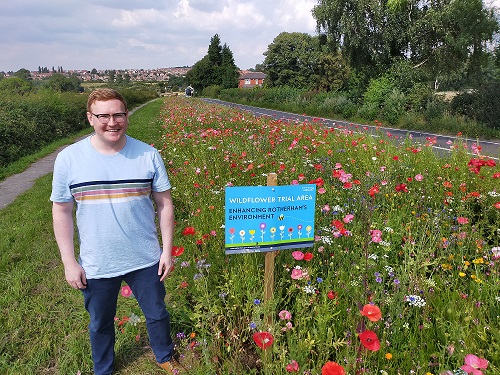
Can pollinator seed bombs be used in community projects?
Yes. Pollinator seed bombs can provide a simple planting format for an approved, clearly defined area such as a community garden, planter, school growing space or suitable managed verge. Successful establishment still depends on site conditions, appropriate seed selection, soil preparation, weather, watering and follow-up management.
A positive project begins with realistic objectives. Rather than promising an instant biodiversity result, the group can focus on creating a flower-rich space, involving residents and learning from what successfully establishes at the chosen location.
Where pollinator seed bombs can fit in a community project
The appropriate setting will depend on ownership, existing land use, soil conditions and the maintenance plan. Start with one manageable location and involve the people responsible for the land from the beginning.
Town and parish council land
Carefully selected planters, community gardens or agreed open spaces can provide a visible starting point when the council and grounds team approve the location and management plan.
Village community spaces
Village halls, shared gardens and other locally managed spaces can support a small planting activity where ownership, access and maintenance responsibilities are clear.
Schools and youth groups
An approved growing area can connect planting with observation, seasonal learning and simple records of the flowers and visiting insects seen by participants.
Community gardens
Established community gardens may offer defined plots, volunteers and an existing care routine. The planting should complement the garden’s current plan and neighbouring plants.
Planters and containers
Containers can provide a controlled option where the project team can prepare the growing medium, manage watering and monitor the planting without altering a larger area.
Suitable managed verges
Verge planting requires direct agreement with the relevant landowner or authority and coordination with mowing, visibility, access, utilities and road-safety requirements.
Plan a community project with pollinator seed bombs in six practical steps
A small, properly managed pilot can help a group understand the location, maintenance requirements and community response before considering a wider project.
Define the purpose
Decide whether the project is intended for community participation, education, a flower-rich display or a combination of clearly stated aims.
Confirm ownership
Identify the landowner and obtain permission before planting. Public land should never be treated as an unapproved planting area.
Assess the location
Review sunlight, soil, drainage, existing vegetation, public access and how the space is currently maintained.
Choose an appropriate mix
Check that the proposed seed mix is appropriate for the intended location and project. Seek specialist ecological advice for sensitive or protected sites.
Prepare and plant
Reduce competing growth and expose suitable soil where appropriate. Follow the product’s planting, spacing, watering and seasonal instructions.
Care and record
Assign responsibility for watering and maintenance, then record what germinates, flowers and visits the planting over time.
Examples of UK pollinator projects
These council-published examples show different ways local authorities, residents and community organisations have approached flower-rich planting and pollinator engagement. They also illustrate the planning context in which pollinator seed bombs may be considered.
Saltford Wildflower Project
Saltford Parish Council launched a village wildflower initiative in 2021. Residents proposing planting on council-owned land were required to obtain agreement from the relevant parks team, helping coordinate planting with land management and mowing.
Read the council project recordTorbay Pollinator Patches
Torbay Council reported a community pollinator-patch scheme using flowerbeds, planters, pots and plots. The project included seed, establishment guidance, care information and links to community activities.
Read the Torbay Council reportNorth Herts Bee Corridor
In April 2026, North Herts Council reported a Baldock community event connected to its district-wide Bee Corridor project. Residents, schools, businesses and community groups participated in activities that included seed-bomb planting.
Read the North Herts reportRecord the progress of projects using pollinator seed bombs
When pollinator seed bombs form part of the activity, simple and consistent records can show what was planted, what care was provided and what was observed—without overstating the outcome.
Photograph the starting point
Record the approved area before preparation, during planting and at regular intervals afterwards.
Keep a planting record
Note the date, location, approximate area, preparation method and seed product used.
Record care provided
Maintain a simple log of watering, maintenance and any changes made during the growing period.
Share honest observations
Report what established and what visitors observed rather than presenting assumptions as measured ecological results.
Help people understand a project using pollinator seed bombs
Clear communication helps residents understand why the location was selected, what has been planted and who is responsible for looking after the area.
- Publish a simple project outline: explain the location, permission, planting date and intended purpose.
- Invite suitable local participation: involve schools, residents, gardening groups and businesses where their contribution is relevant and safely managed.
- Provide clear planting guidance: explain that establishment depends on preparation, conditions, watering and care.
- Coordinate with grounds teams: make sure mowing and maintenance schedules reflect the approved planting plan.
- Share progress responsibly: use photographs and recorded observations instead of making unsupported biodiversity or environmental-impact claims.
Pollinator seed bombs: frequently asked questions
Can seed bombs be scattered on public land?
Not without permission. Confirm ownership and obtain agreement from the relevant council, landowner or managing organisation before planting. The proposed location may also be affected by mowing, access, safety, utilities or existing habitat management.
Are pollinator seed bombs guaranteed to flower?
No seed product can guarantee germination or flowering. Results depend on factors including preparation, soil, light, moisture, weather, competition from existing plants and ongoing care.
How many seed bombs will a community project need?
The quantity depends on the approved planting area, the selected product and its stated coverage or spacing instructions. Measure the proposed area and confirm the required quantity before ordering.
Can seed bombs be used on roadside verges?
Only where the responsible authority has approved the project. Verge projects require careful consideration of road safety, visibility, access, underground services, existing vegetation and maintenance schedules.
Will one project increase local biodiversity?
A well-planned flower-rich planting may contribute food resources for visiting insects when appropriate plants establish. However, wider biodiversity outcomes depend on habitat quality, connectivity, management and evidence collected over time.
Should we begin with a small pilot area?
A defined pilot is a sensible way to test the site, preparation method, care requirements and community response before proposing a larger planting programme.
Prepare the project outline
Planning a project with pollinator seed bombs?
Tell us about the approved location, approximate planting area, intended participants and proposed timing. We can then discuss suitable wildflower seed bomb options without assuming site conditions, quantities or establishment results.
Questions? Email enquiry@seedbombshop.co.uk or call 01536 614062.