Seed Bomb Shop UK mix guide
Native British Wildflower Seeds 31 Species for Bees and Pollinators
Native British wildflower seeds form the heart of our 31-species seed bomb mix. Four annuals and 27 perennials are combined with UK soil and clay to create wildflower seed bombs for gardens, pots and suitable planting projects across the UK.
How native British wildflower seeds can help visiting pollinators
Bees and other flower-visiting insects use flowering plants as sources of nectar and pollen. A varied wildflower mix can provide different flower shapes and flowering periods, giving visitors a broader choice than a single-species display when site conditions allow the plants to establish and bloom.
The seed bombs themselves are a planting format; the flowers that may grow from them are the potential food source. Results depend on soil contact, light, moisture, temperature, local conditions and continuing care. Not every species will appear in every location or season.
For evidence-led plant selection, explore the Royal Horticultural Society’s independent Plants for Pollinators guidance .
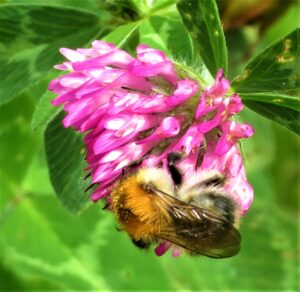
Why our native British wildflower seed mix includes annuals and perennials
Four annual wildflowers
Annuals complete their life cycle within one growing season. With suitable sowing conditions, some may flower during their first season and can bring recognisable colour to a new planting area.
Twenty-seven perennial wildflowers
Perennials generally take a longer-term approach. Some may concentrate on root and leaf growth before flowering, then return in later seasons where the site, maintenance and weather remain suitable.
A 31-species mix means the seed recipe contains 31 named species. It does not mean all 31 are guaranteed to germinate or flower together in every garden, pot or planting project.
The complete 31-species native British wildflower seeds list
This is the confirmed Seed Bomb Shop UK wildflower mix. It contains four annual species and 27 perennial species, with no grasses added to the wildflower recipe.
Annual species — 4
- Chamomile
- Corn Marigold
- Cornflower
- Poppy
Perennial species — 27
- Betony
- Birdsfoot Trefoil
- Clustered Bellflower
- Devil’s-bit Scabious
- Field Scabious
- Dark Mullein
- Greater Knapweed
- Kidney Vetch
- Lady’s Bedstraw
- Lesser Knapweed
- Meadow Buttercup
- Meadow Cranesbill
- Meadow Vetchling
- Oxeye Daisy
- Plantain
- Purple Loosestrife
- Ragged Robin
- Red Campion
- Red Clover
- Selfheal
- St John’s Wort
- Toadflax
- Tufted Vetch
- Viper’s Bugloss
- Wild Carrot
- Wild Marjoram
- Yarrow
Plan a suitable place for wildflower seed bombs for bees
Wildflower seeds for bees still need a suitable growing place. Choose an area where planting is permitted, where the soil can be prepared and where the developing plants will not be removed as ordinary weeds.
Choose
Select your own garden, pot or an approved project site with appropriate light and access for care.
Prepare
Reduce dense grass and competing growth, then expose some soil so the seed bombs can make direct contact.